Shatadhauta: ghee washed a hundred times
The old copper-bowl method, and why it turns ghee into a light cream.
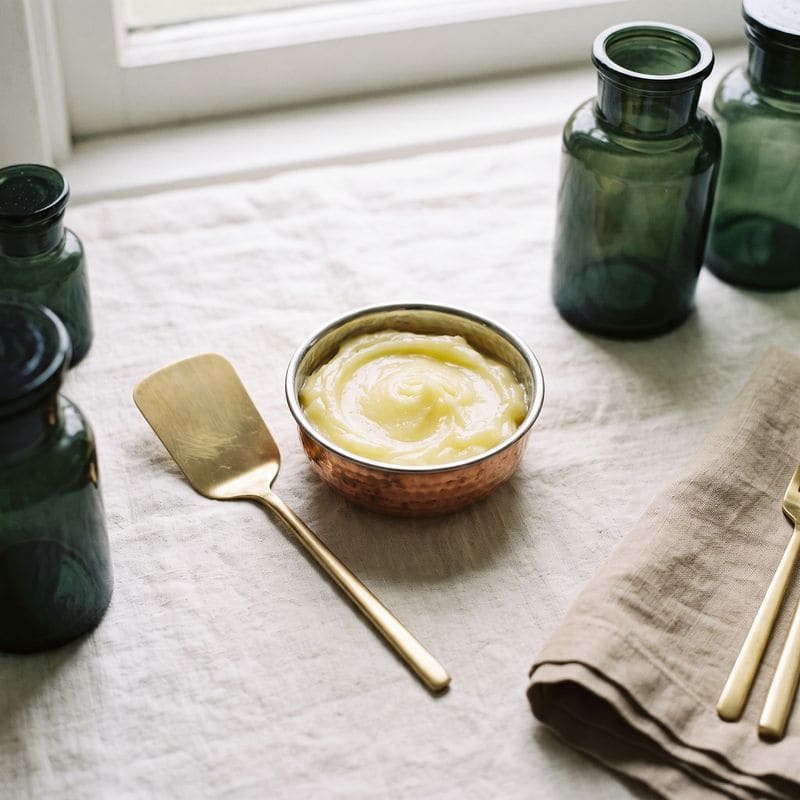
Shatadhauta means washed a hundred times. Shatadhauta ghrita is ghee that has been washed with water, by hand, one hundred times over. It is one of the classical preparations of Ayurveda, and one of the simplest: ghee, water, a copper bowl, and patience.
The method
Pure cow ghee goes into a wide copper bowl with cool water. The ghee is worked against the bowl with the palm or the fingers until the water turns cloudy. The water is poured off, fresh water goes in, and the whole thing begins again. One wash. Then the next.
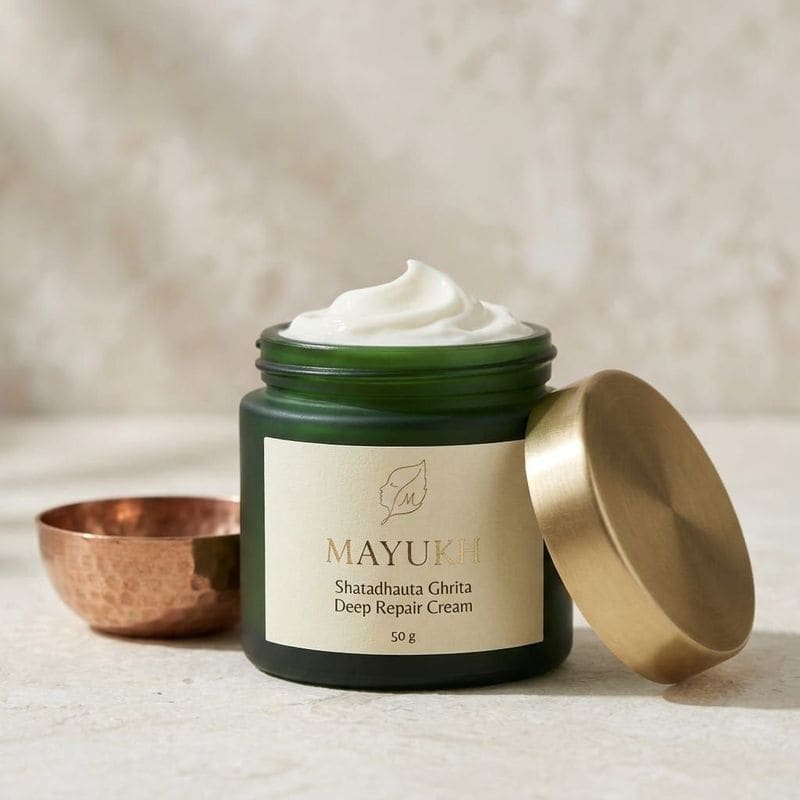
Over the washes the ghee changes. It starts as a firm, yellow fat with the smell of the kitchen. Somewhere past the halfway mark it turns paler and softer. By the hundredth wash it is a white, whipped cream, light enough to spread like a lotion and cool to the touch. Much of its kitchen smell has gone with the water.
Nothing is added to make this happen. Water is worked into the ghee, wash after wash, and that changes how it looks and how it feels on skin.
Why go to the trouble
Plain ghee is heavy. On skin it sits on top and stays greasy. Washed ghee is a different texture altogether: rich, but it melts on contact and is gone into the skin in a minute or two. It is the difference between butter and cream.
That makes it right for skin that feels tight, dry or flaky: after a bath in winter, on cheeks that feel stretched in an air-conditioned office, on the shins and backs of the hands.
Through the seasons
In the dry months, from November to February in most of India, skin on the face and body can feel tight within an hour of a bath. That is when washed ghee is most welcome: a thin layer after every bath, and a little more at night on the cheeks, the backs of the hands and the shins.
In the monsoon and summer, most people need far less, and only where skin still feels dry. A cream this rich is a winter friend first.
How we use it
The Shatadhauta-Inspired Deep Repair Cream is inspired by it: cow ghee washed in copper and whipped into a cream, with no scent added. Use it on damp skin straight after the bath, when skin takes it in most easily. On the face, a thin layer at night is enough.
- Take a small amount on your fingertips. It looks rich in the jar and goes a long way.
- Warm it between your fingers and smooth it over damp skin.
- On the face, use less than you think, at night. Let it sink in before your pillow.
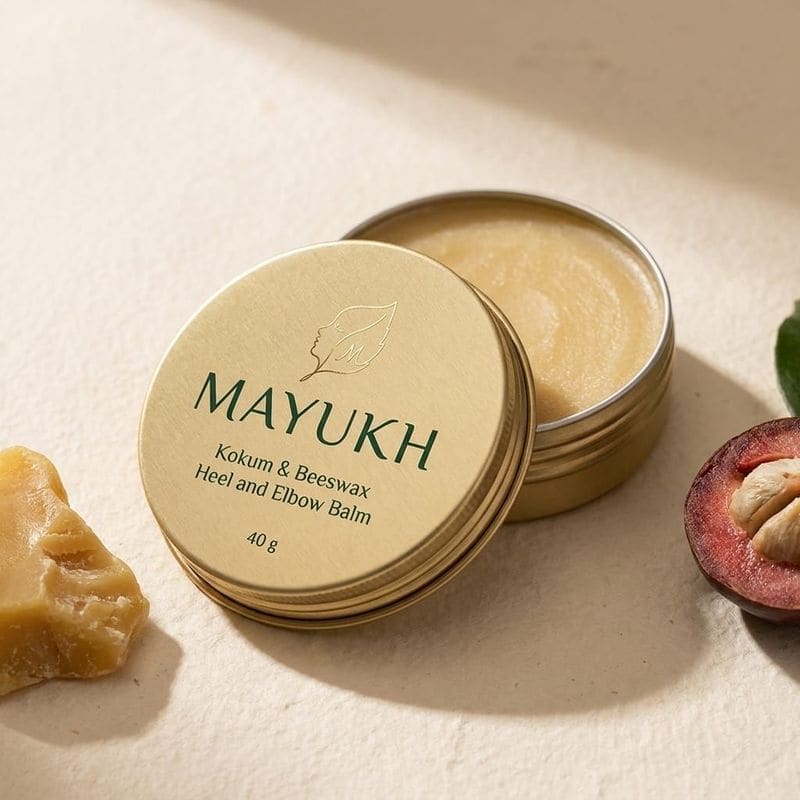
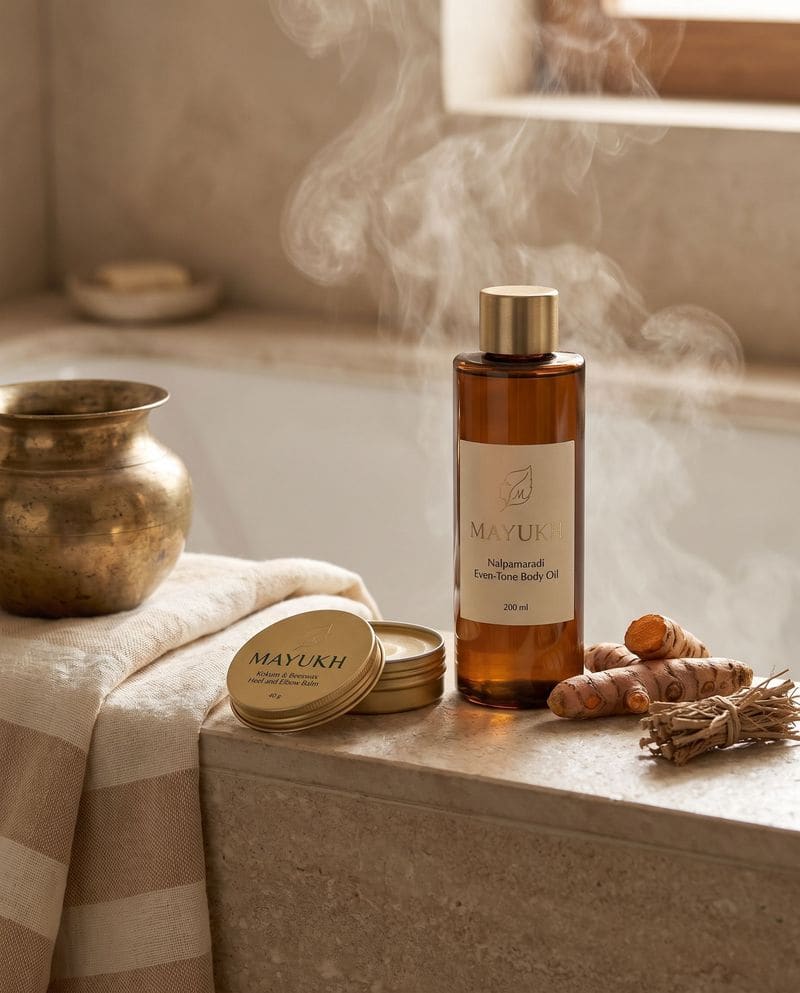
For heels and elbows that feel rough, the Kokum & Beeswax Heel and Elbow Repair Balm is firmer and stays on overnight. Together they make the Nourish ritual.
If you have never used ghee on your skin, try a little on the inside of your arm first. And if dryness comes with something else, such as itching that will not settle, talk to our expert on WhatsApp before you start.